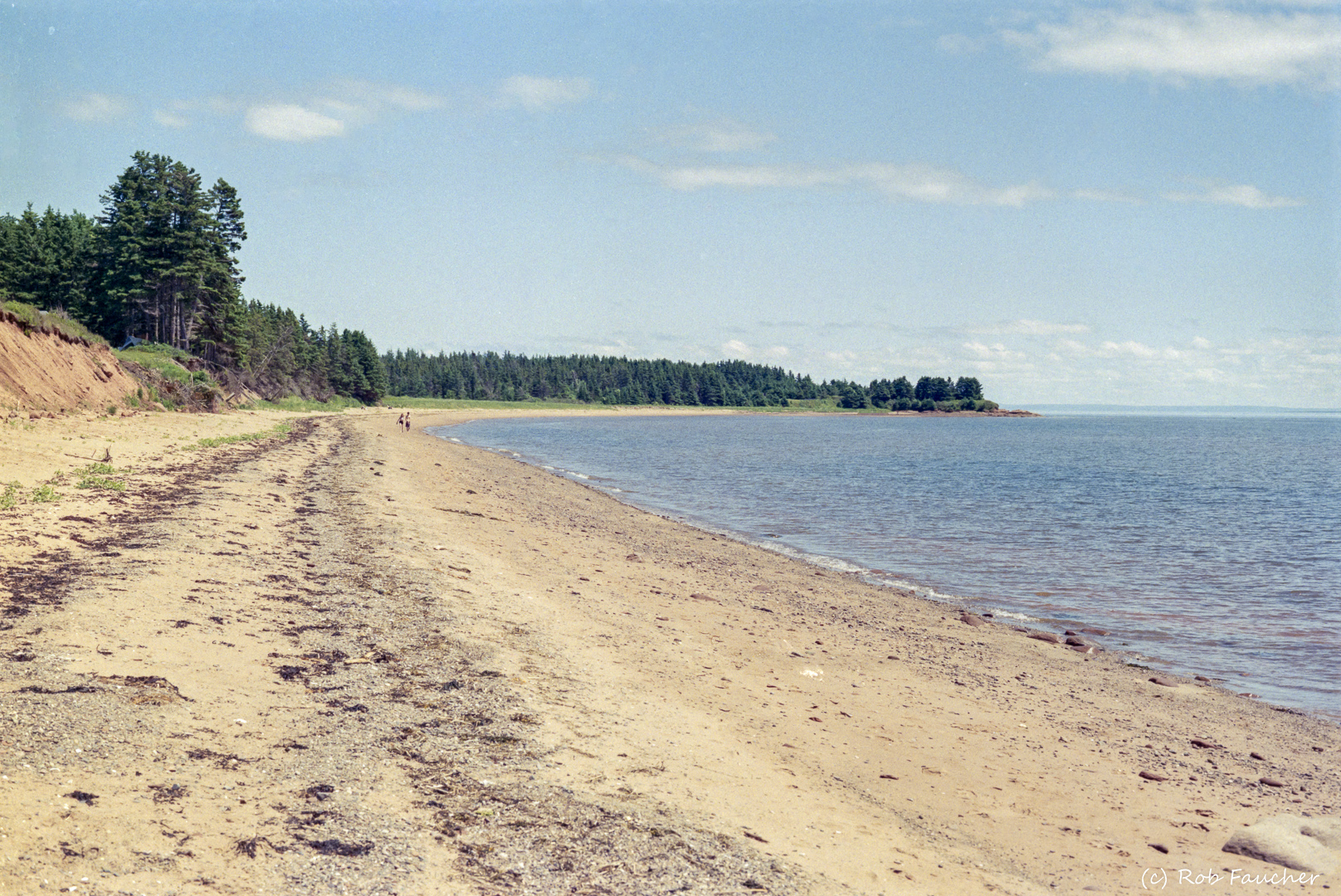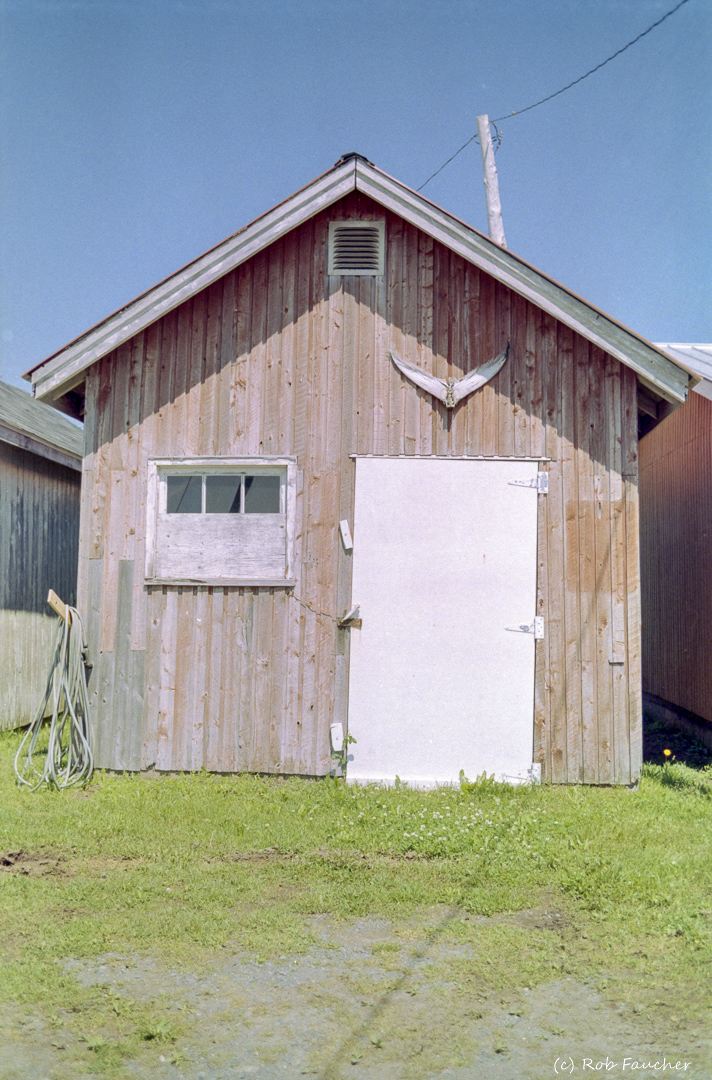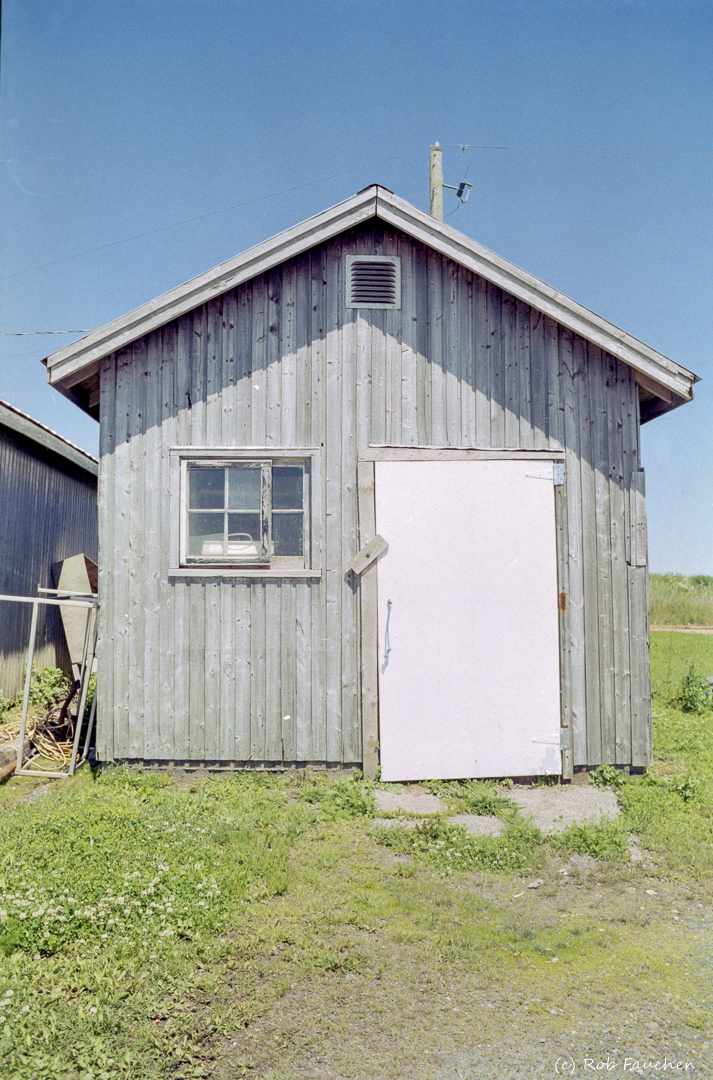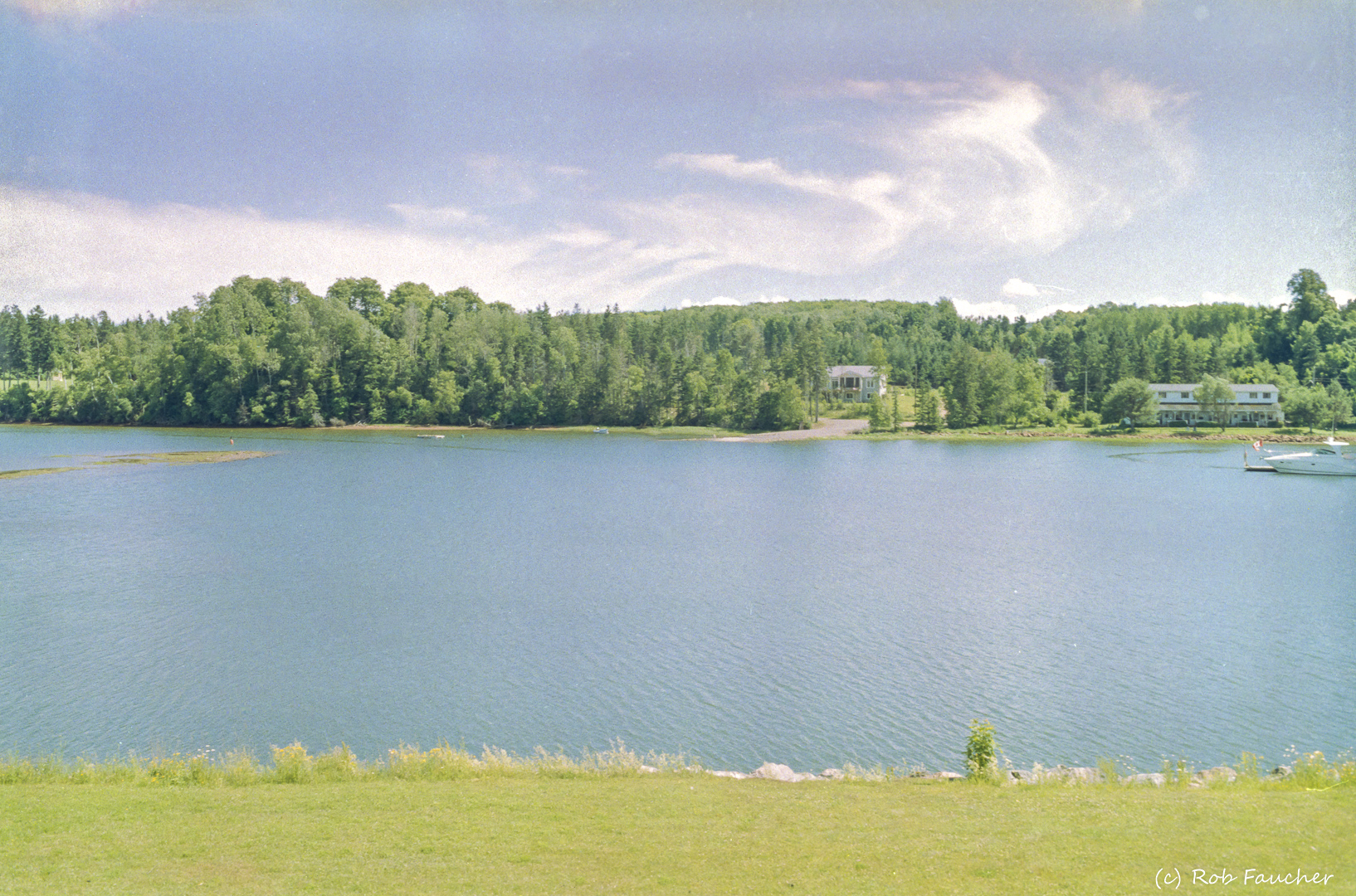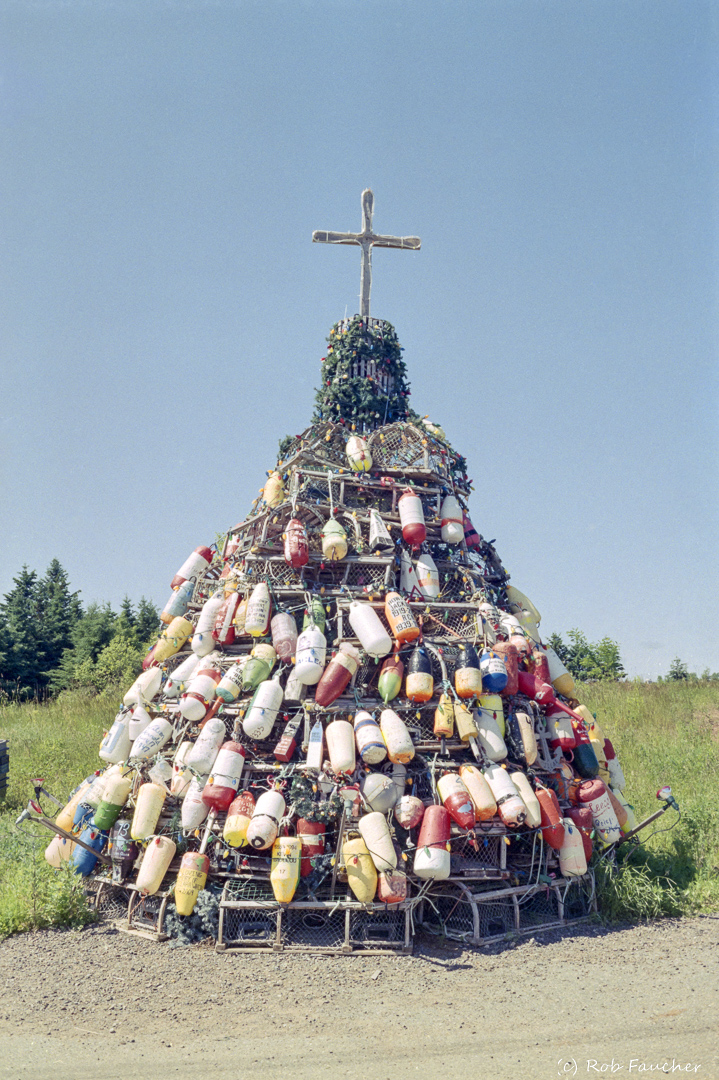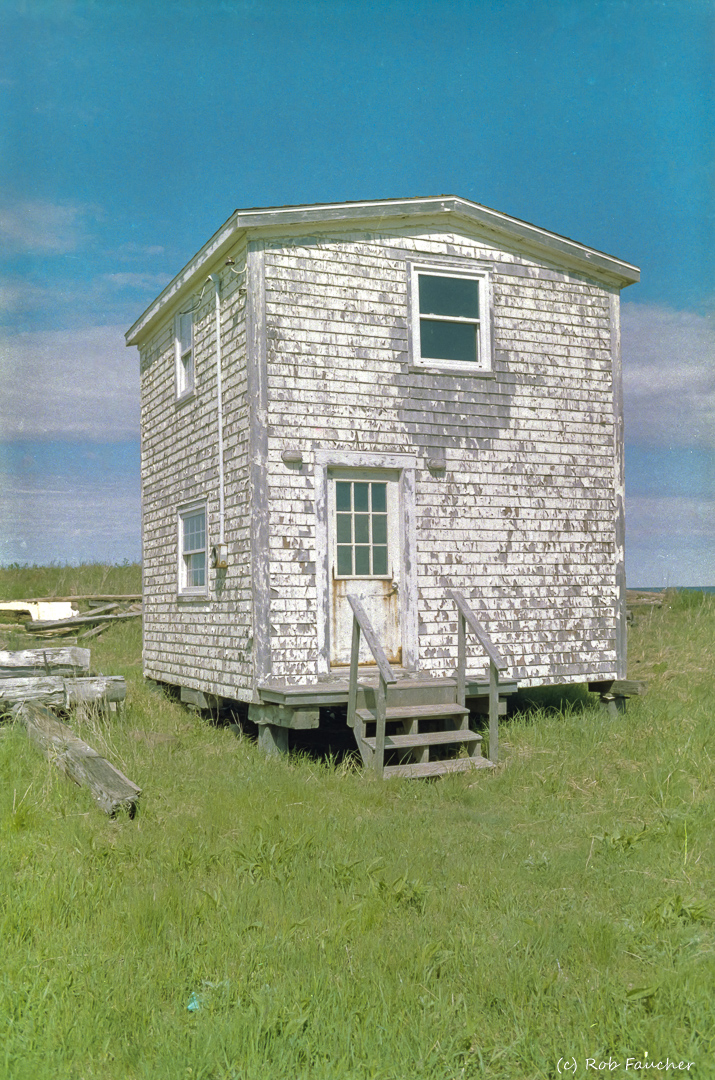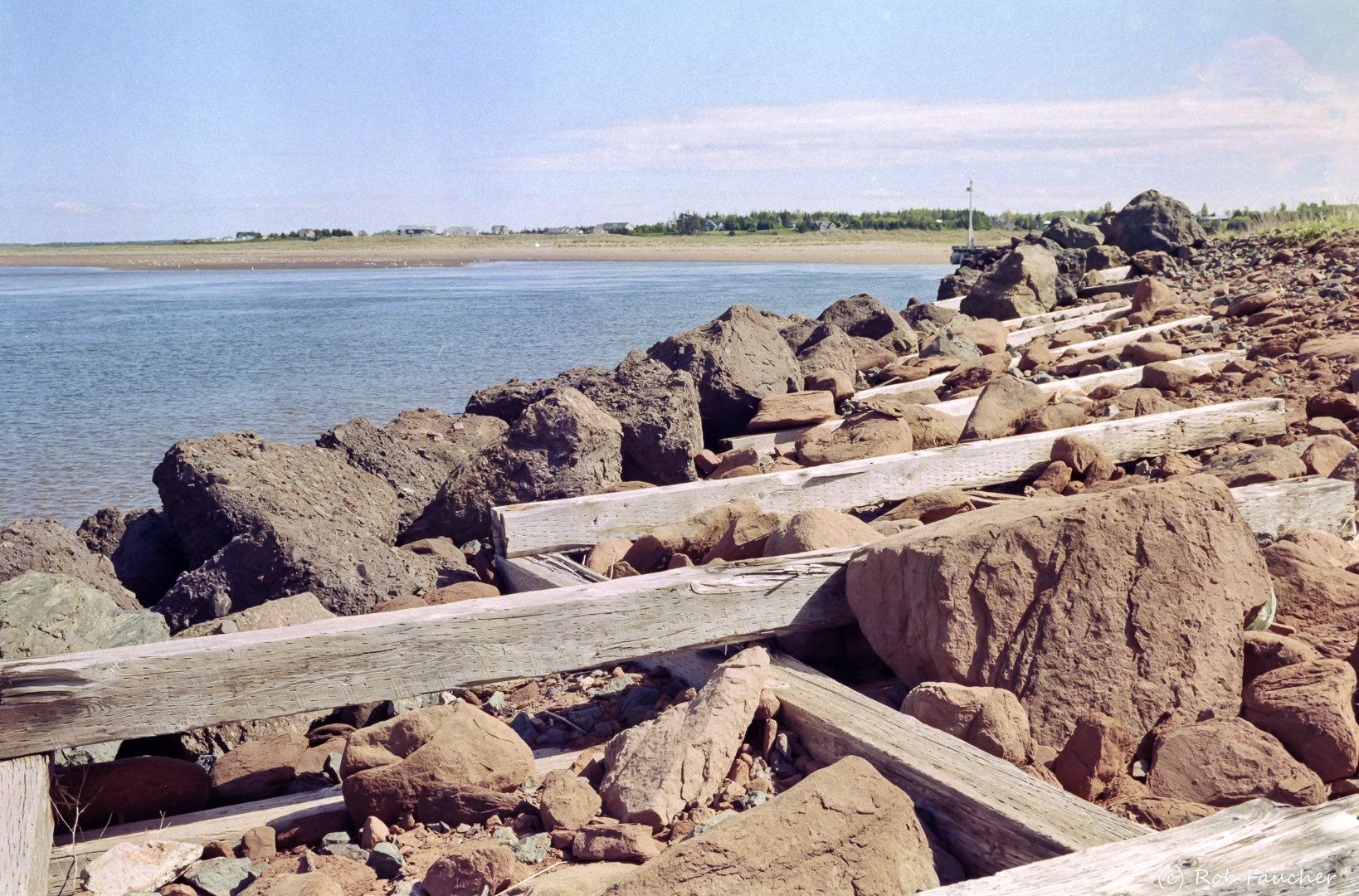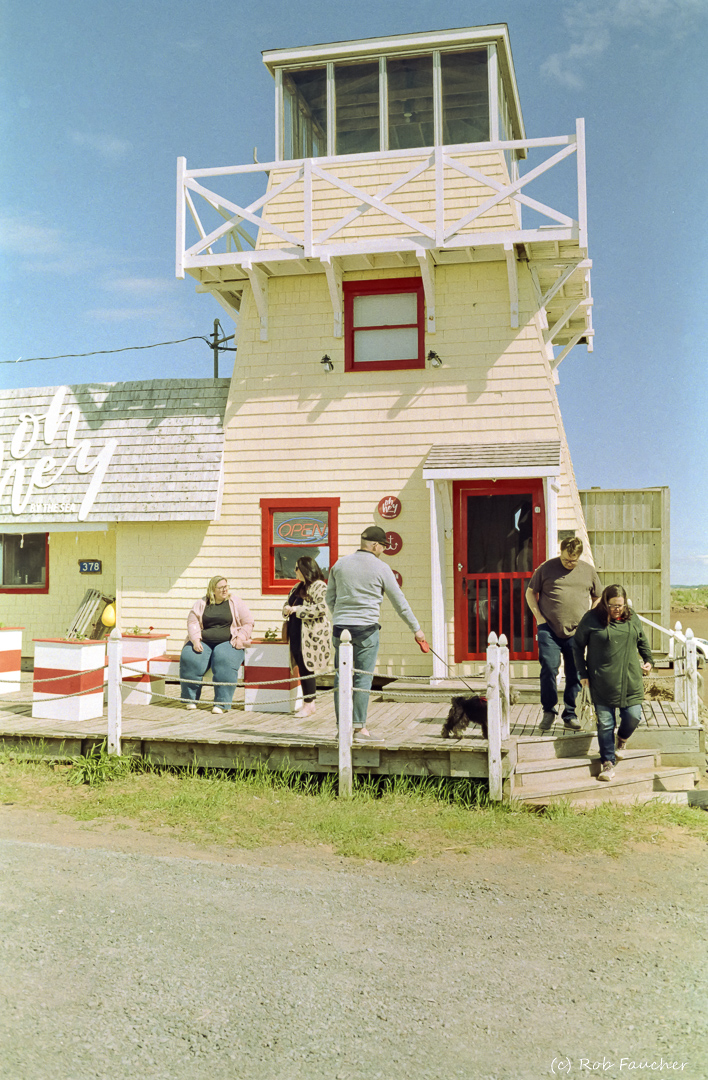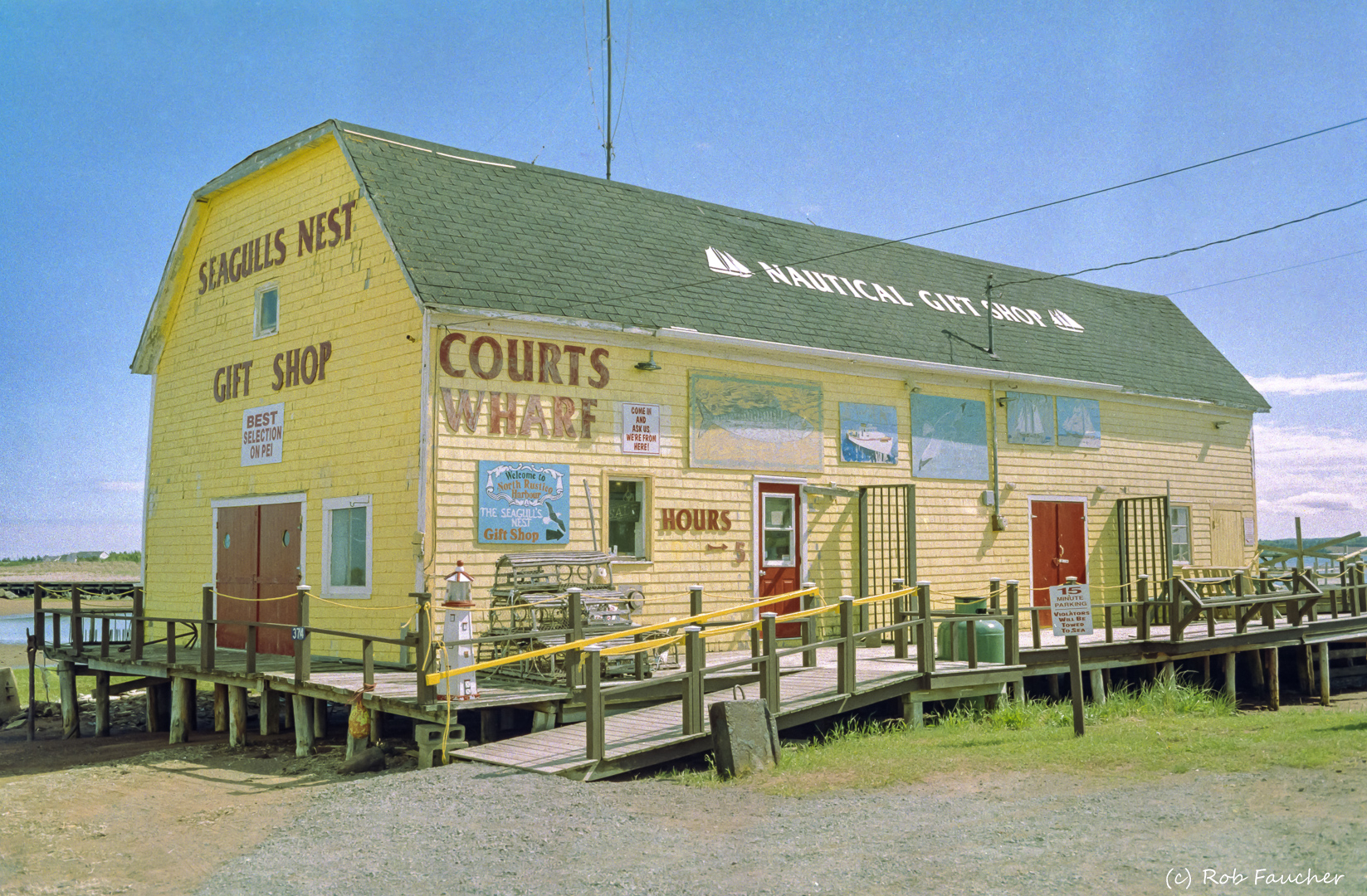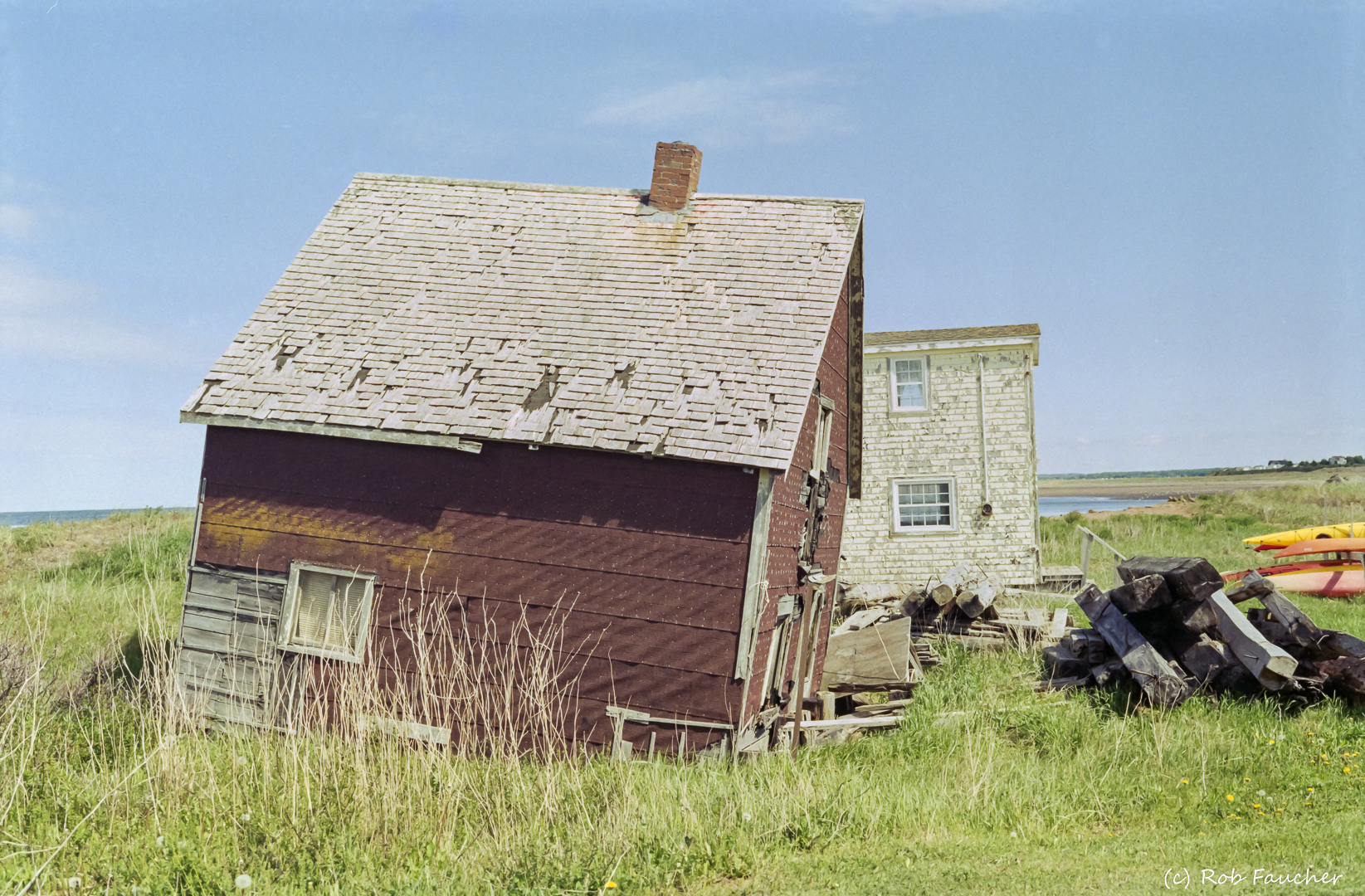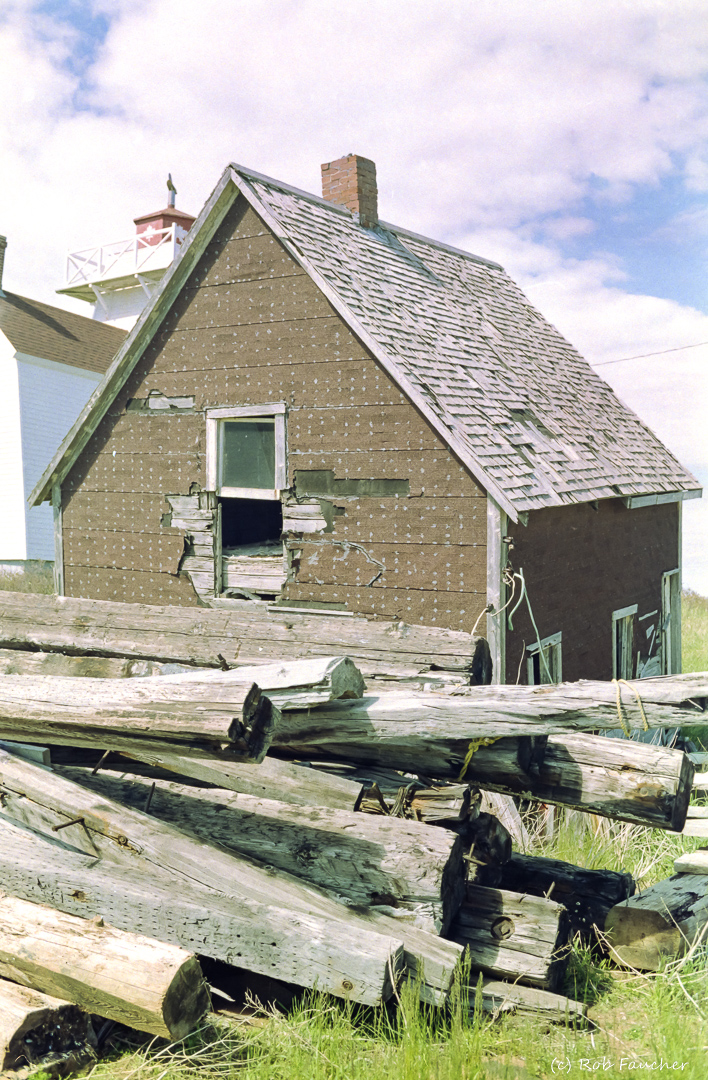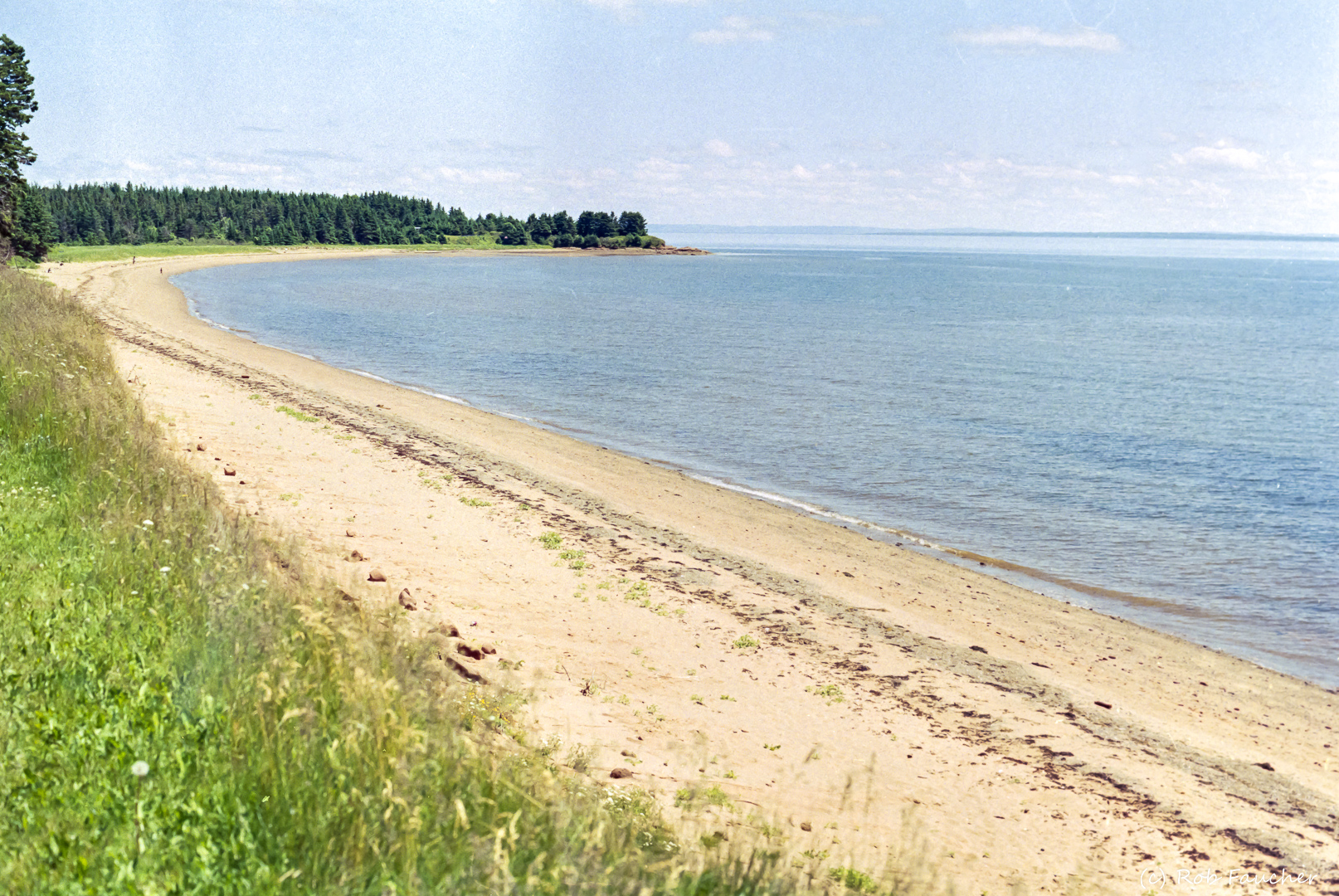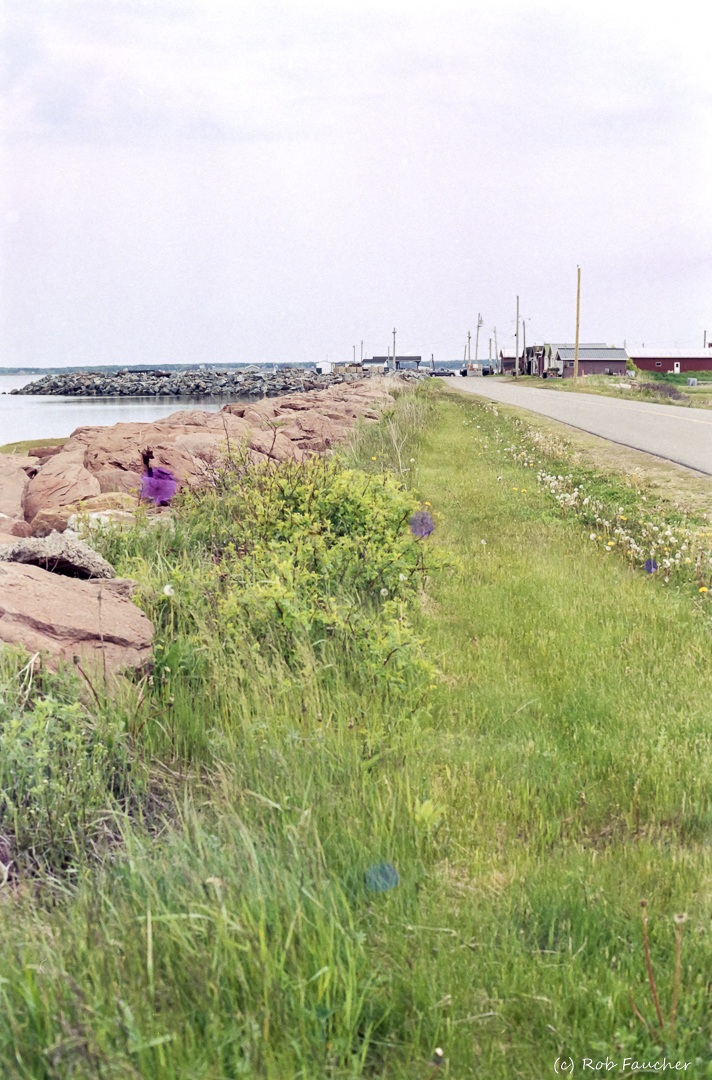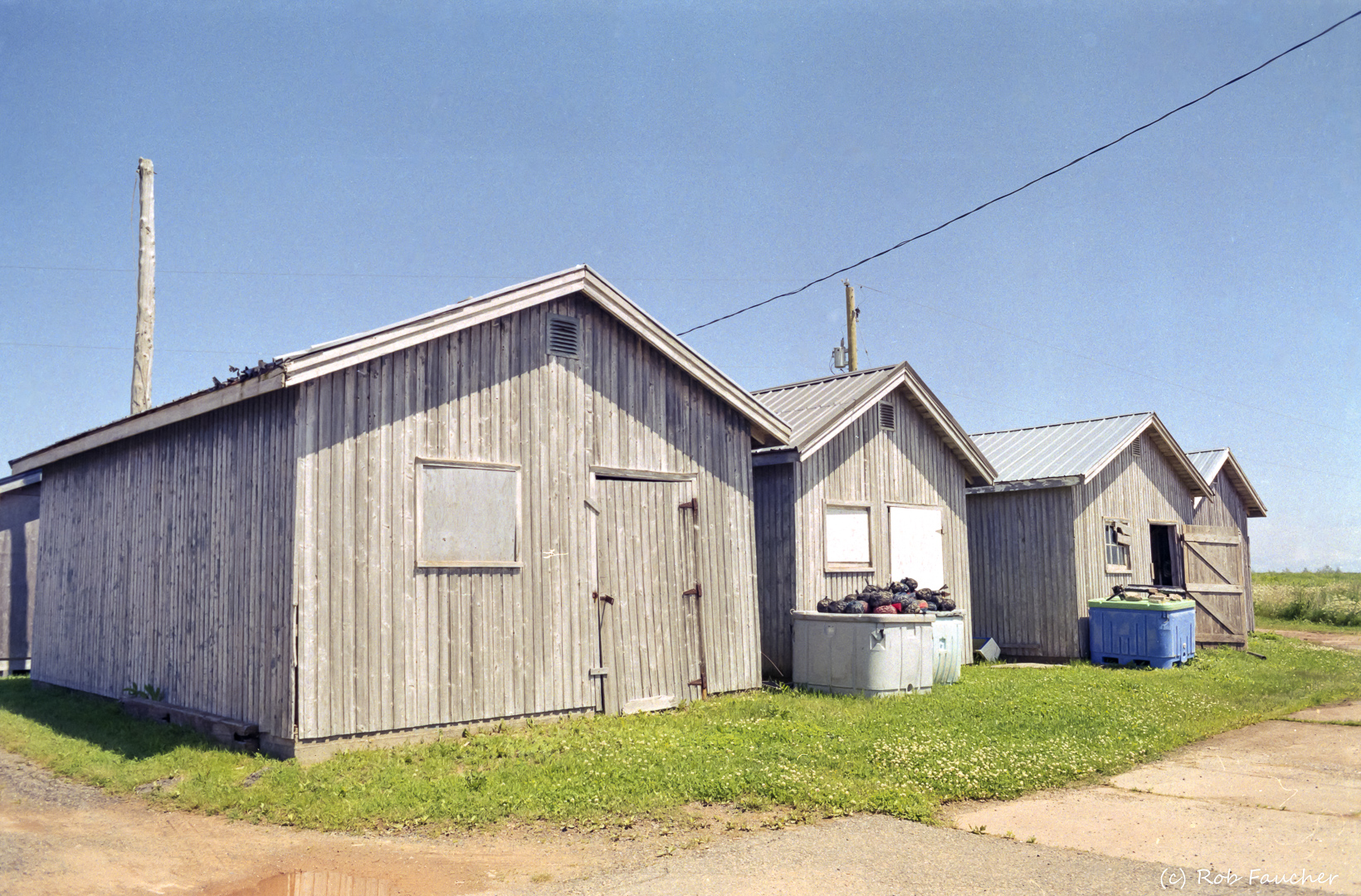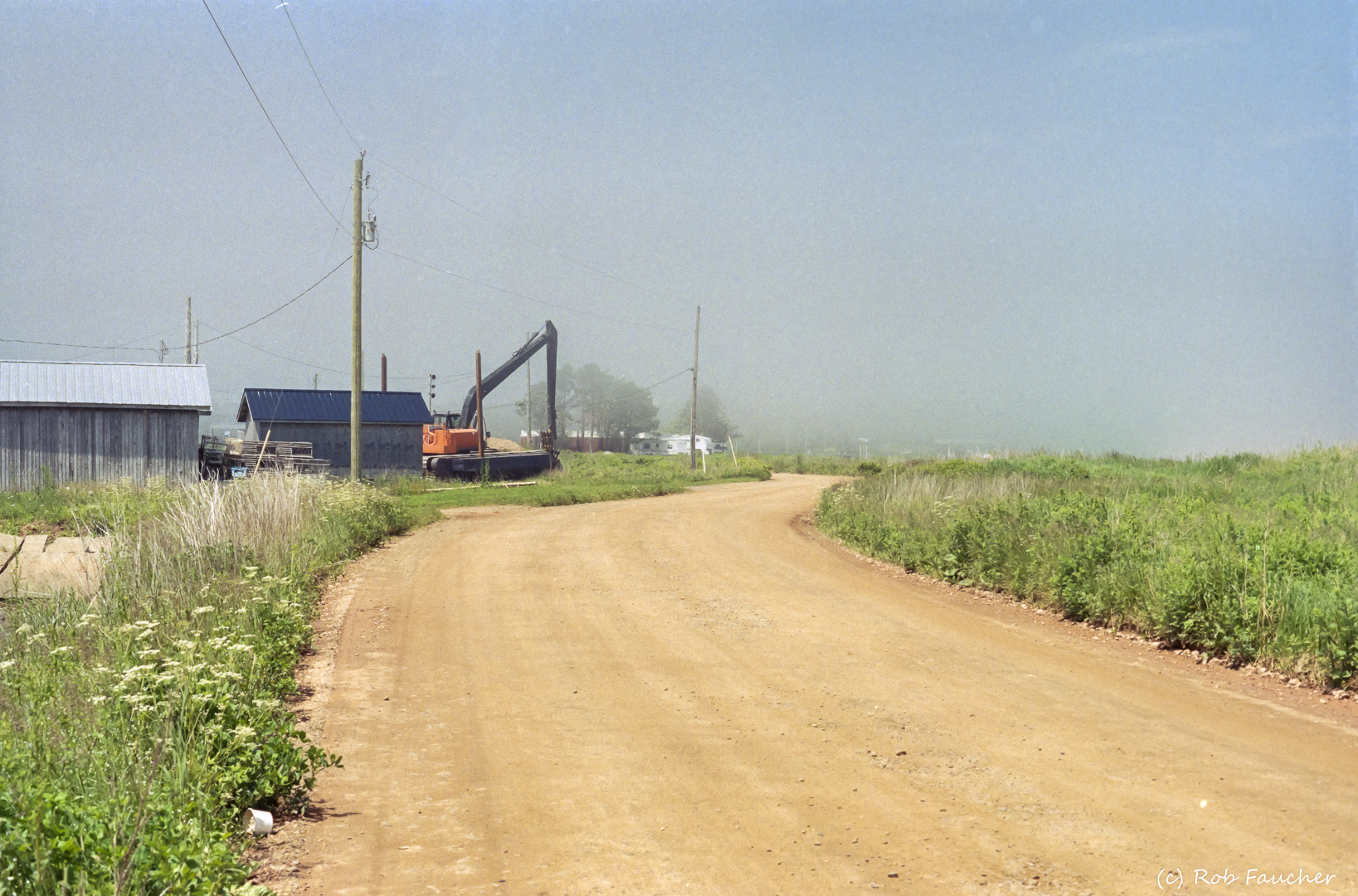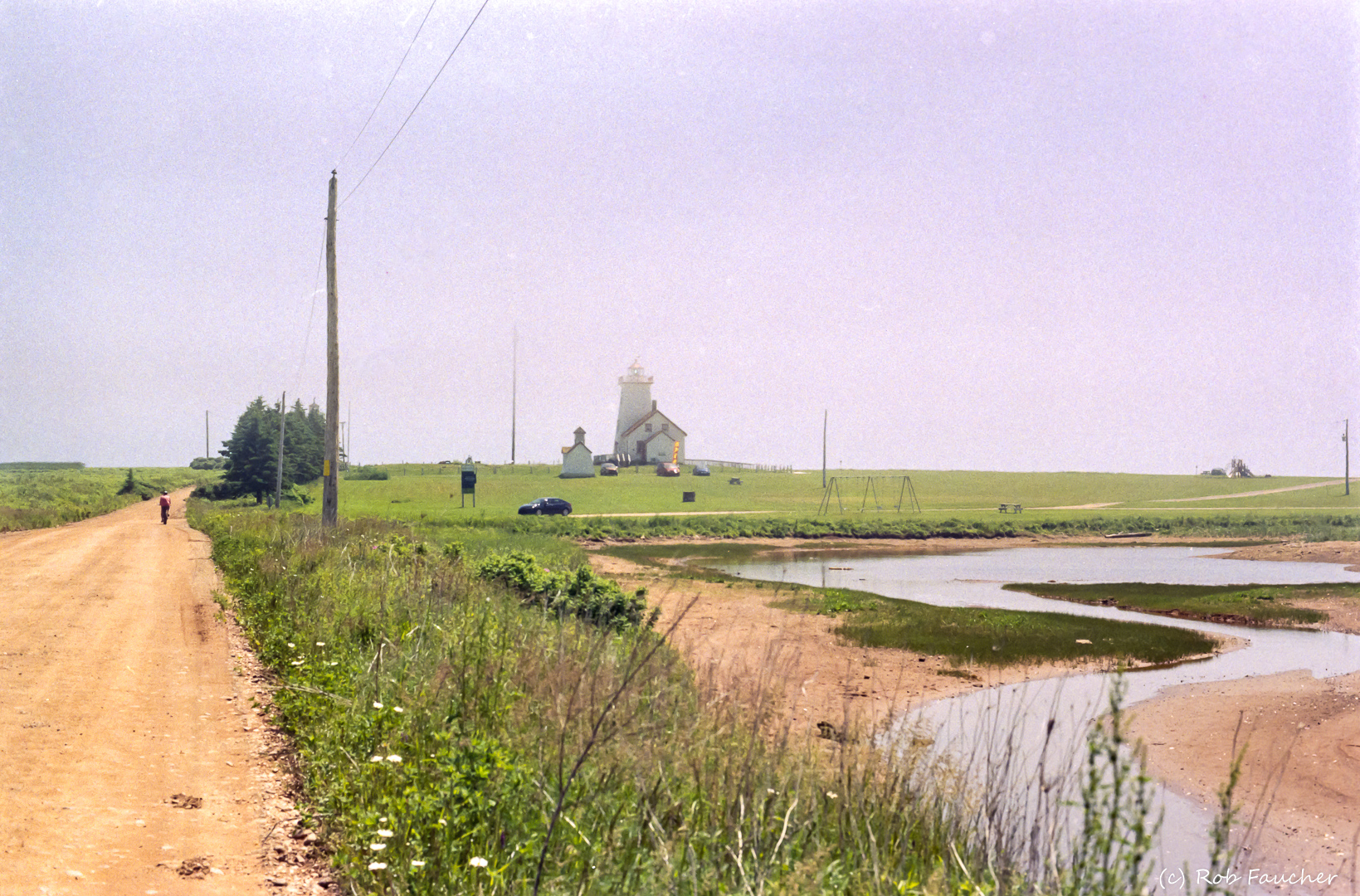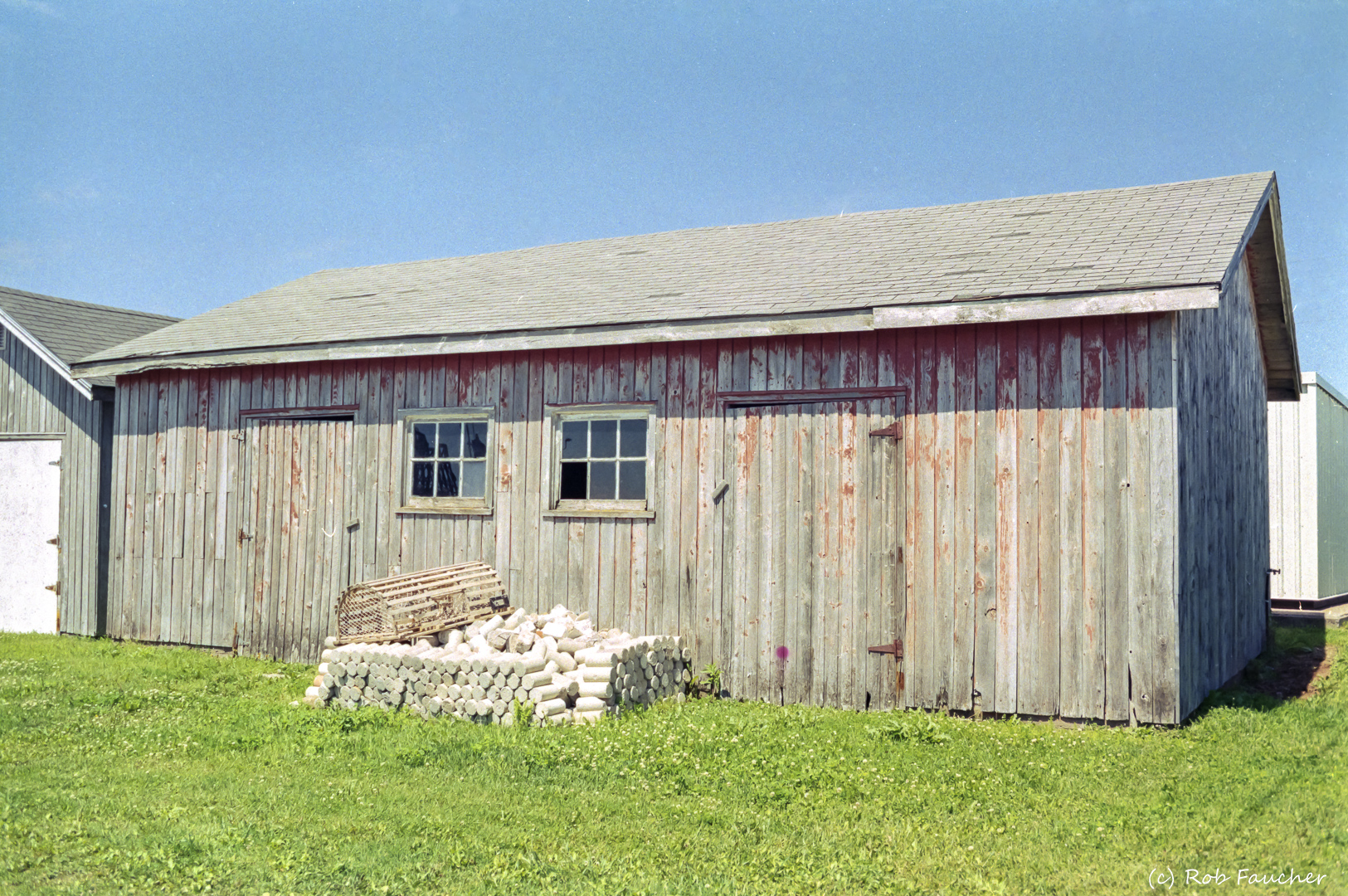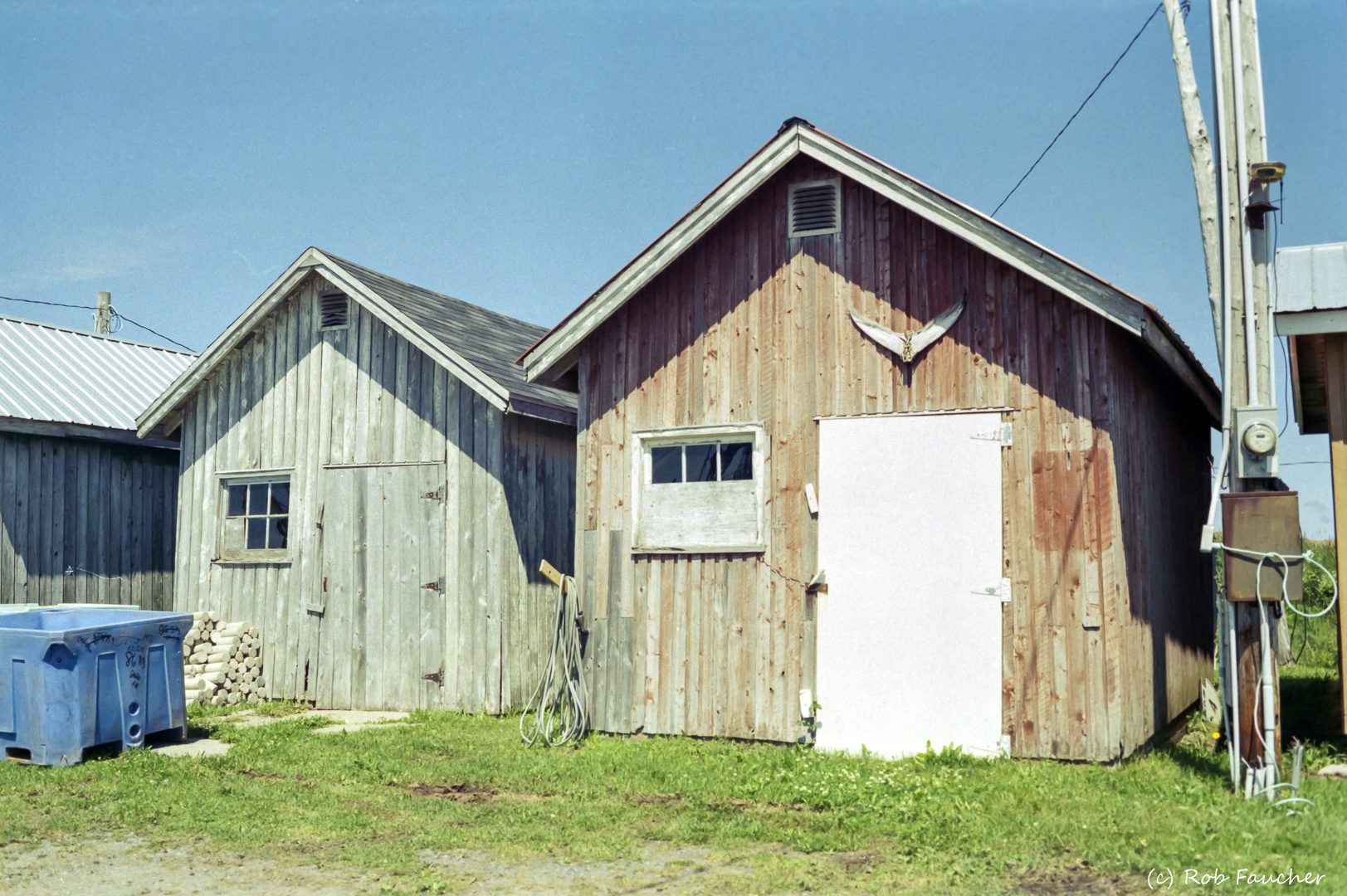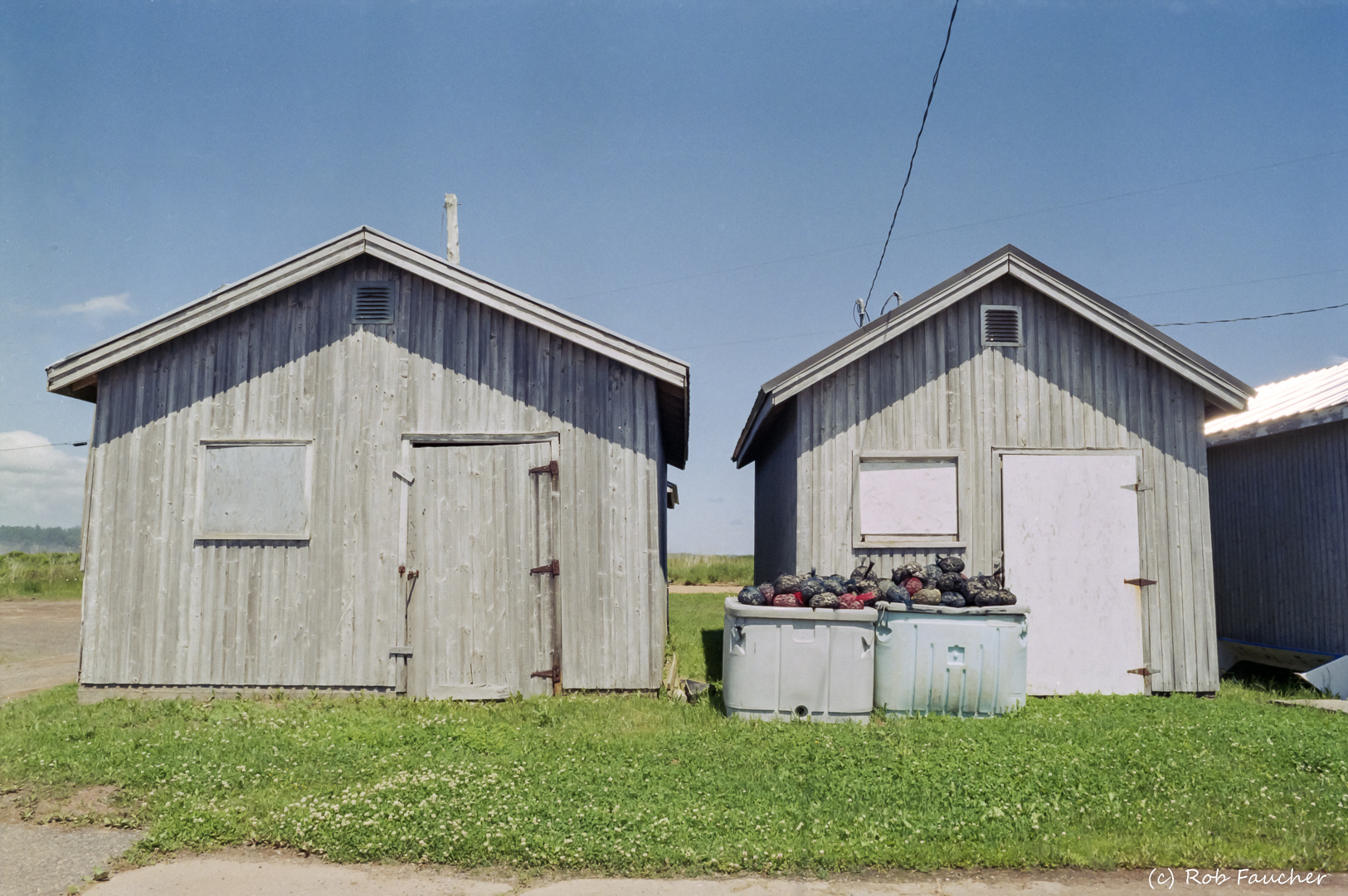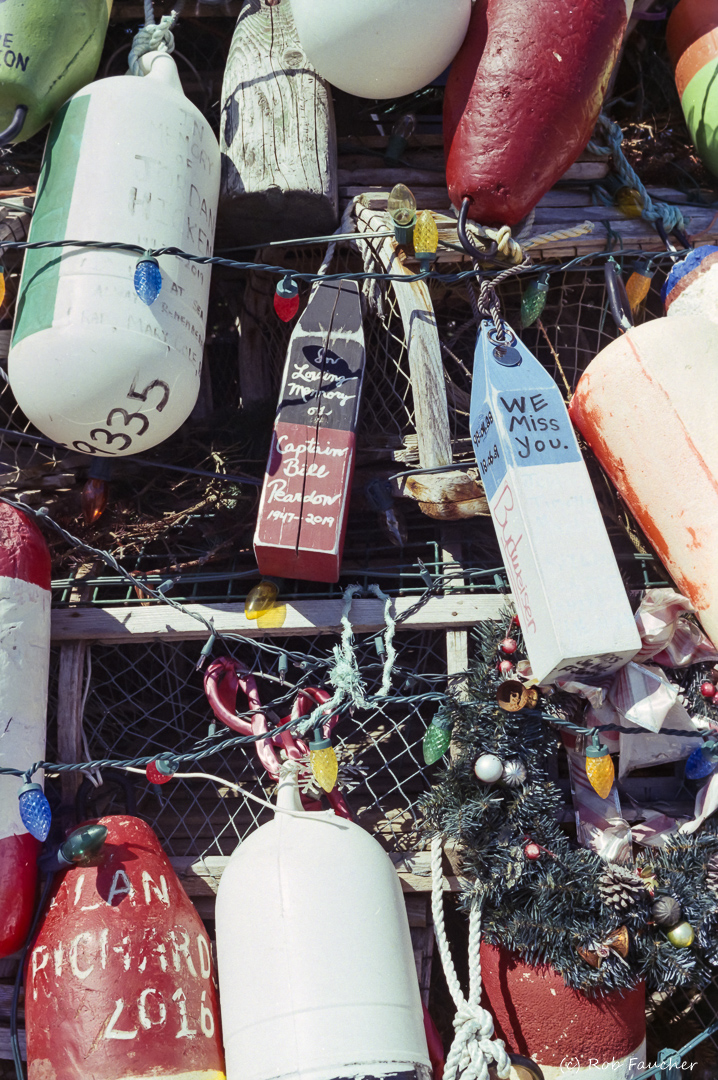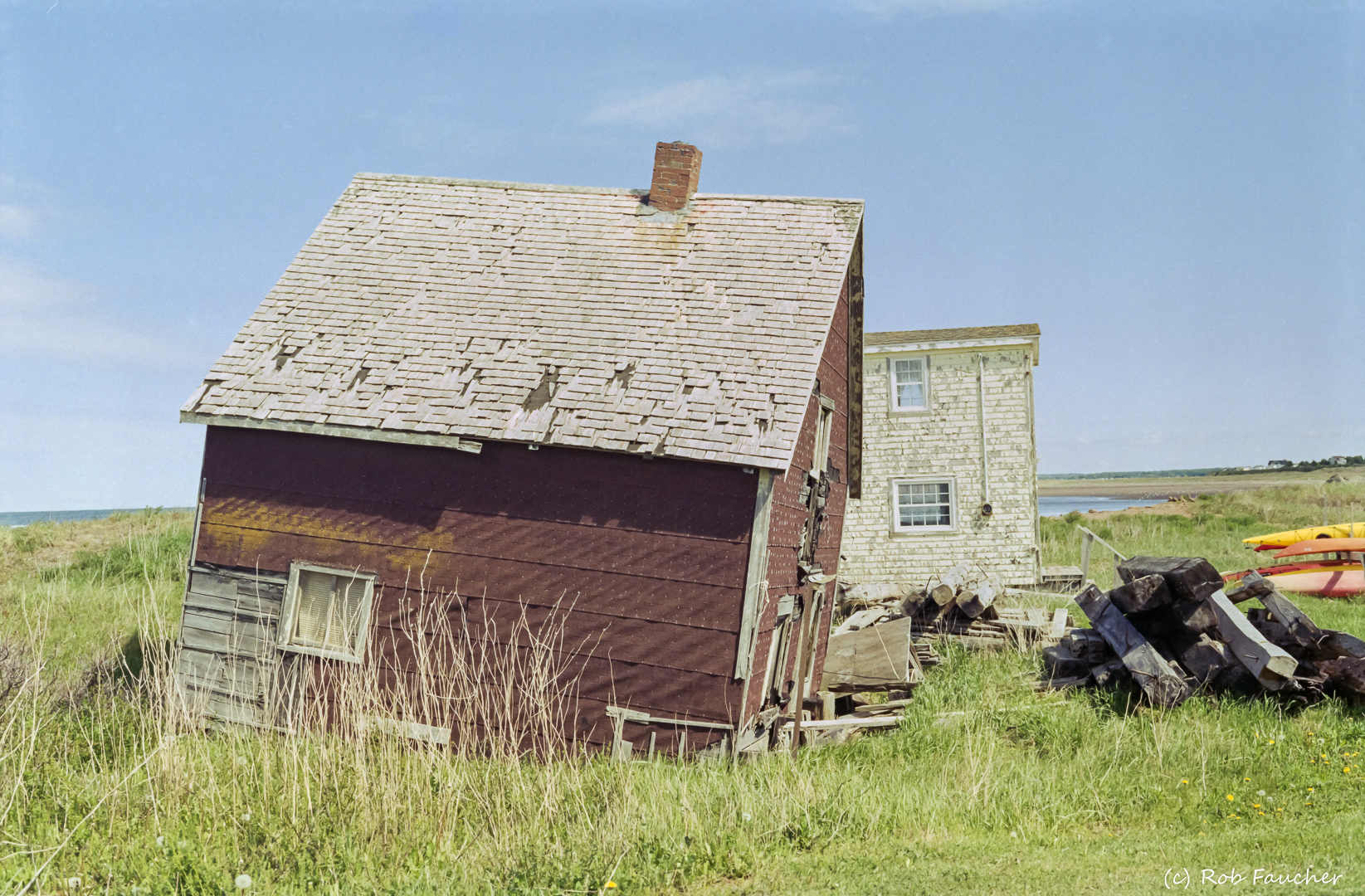
It has been over 20 years since I shot film, and since I have a few vintage cameras lying around, I figured why not put them to good use. A few years ago I shot two rolls of 35mm Fuji Superia film, but there was nobody on the island that I would use to process the negatives, so they sat in my basement for over two years. A few months ago I found a place in Charlottetown that processes film. The downside is they do it by hand, and there is a long wait, just over two months in my case.
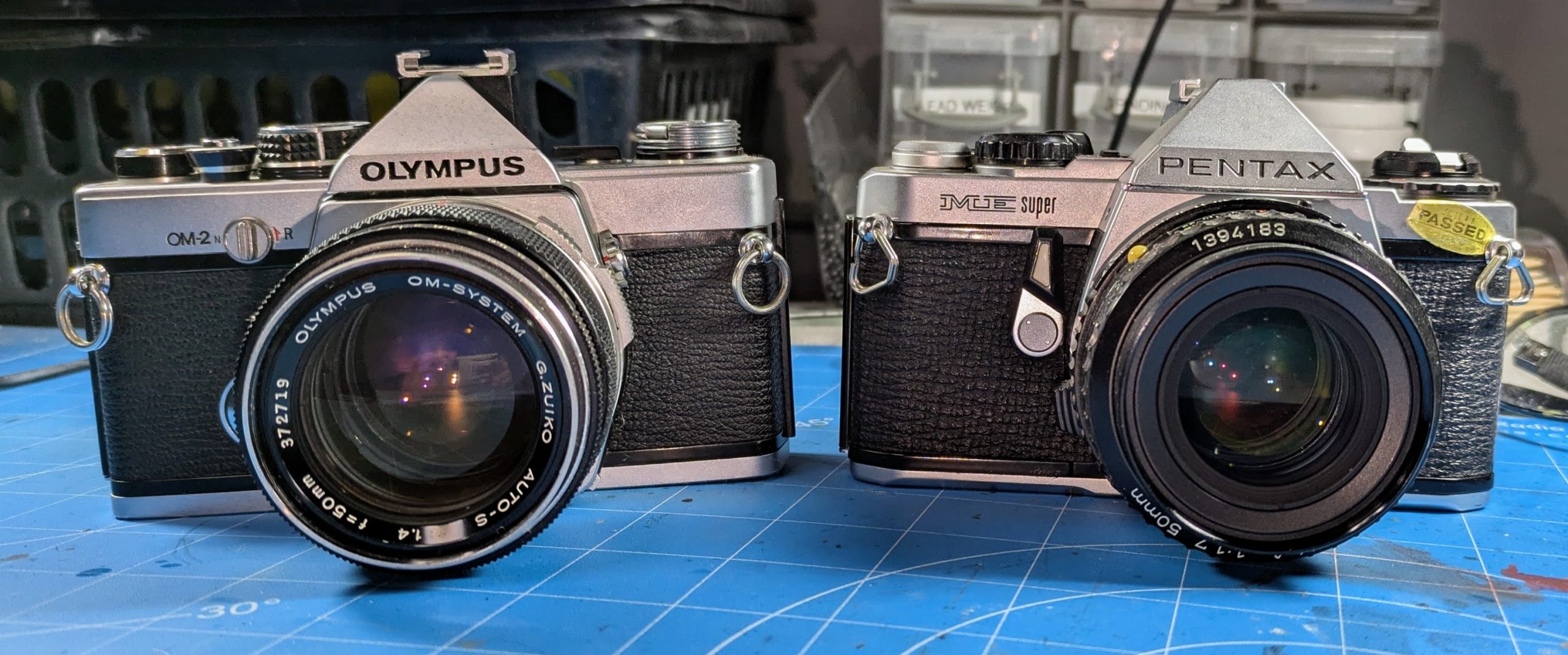
I used an Olympus OM-2 and a Pentax ME Super for this experiment. I was pleasantly surprised the light meters and shutter speeds on these old cameras worked perfectly. The OM-2 is over 50 years old, and the ME Super is over 40 years old. The OM-2 is mainly a mechanical camera, whereas the ME Super is electronically controlled. I prefer the OM-2 over the ME Super mainly because I like how it looks and feels.
Rather than pay extra for the local lab to scan the negatives, I decided to do it myself. I have a flatbed scanner that can scan various film formats. I scanned the negatives, and the results were less than satisfactory; to be fair, it is a budget scanner. The local lab scans film with a digital camera, which produces much better results. So, I decided that was the better way and ordered a film digitizing adapter from Amazon for less than $100 CAD.
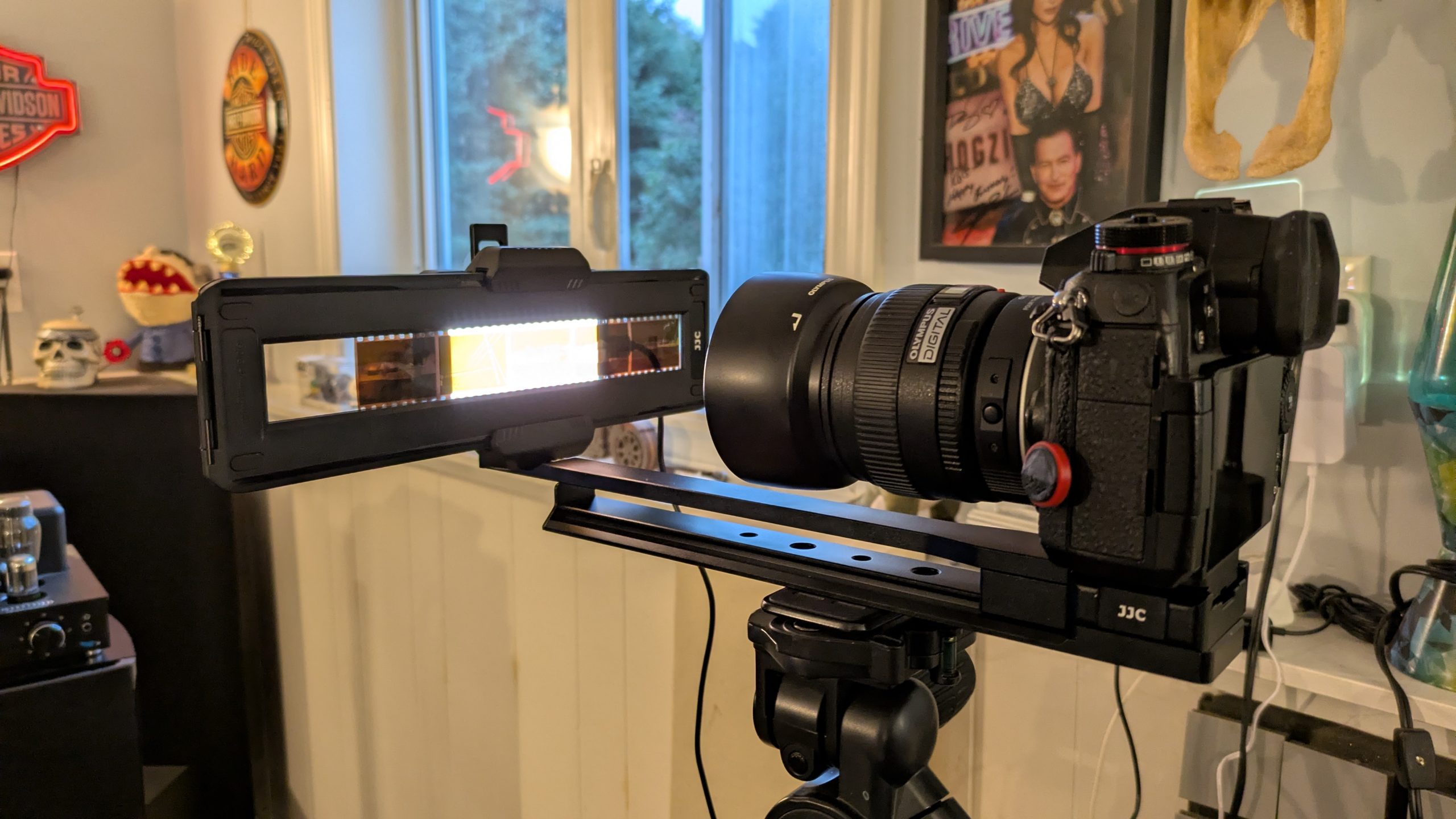
With the two rolls scanned into the camera, I downloaded the files and tried processing them. This entails converting a negative to a positive image, which I did in Lightroom and Photoshop with less than stellar results. Neither of these photo editors has a simple solution for this purpose. There is somewhat expensive software available for this purpose, but I’m cheap and wanted to find a budget solution. I found a free tool called “Film Scan Converter” that runs on Linux. It does a good job with just a few mouse clicks to create a positive image. Once those images were created, I imported them into Lightroom for some final tweaks. As the film was sitting around for about 5 years, there was some fading, and the local lab did not do a great job of processing the film, as there was chemical residue suggesting uneven development and/or rinsing. Unfortunately, several frames of film were ruined.
Nothing is really analog in photography anymore. These days, shooting film and having a lab process them means that your prints are based on digitized negatives. If one truly wants a fully analog process, then one must have a darkroom with an enlarger. I got rid of my darkroom nearly 30 years ago.
I still have a few rolls of fresh film, so I’ll try old-school photography again. There is a new lab in town with much faster turn around times, and that’s encouraging.
The following images were taken in North Rustico and Souris.